Welcome to an educational journey into the fascinating world of soil and forest mushrooms! In this school project, we explore what lives beneath our feet and the special role that mushrooms play in forest ecosystems. The project is part of the Eco2Adapt forest and climate education activities for schools, bringing together research and education.
The topics are studied together with two Finnish schools from Eco2adapt Living Lab area: 6th-grade students from Otto Kotilainen School in Heinävesi and Kylmäoja School in Kontiolahti, as well as other Eco2Adapt Living Lab schools. The activities are carried out in collaboration with project experts, ENO Schoolnet staff and teachers.
The aim of the activities is to understand the importance of biodiversity, living organisms and healthy soil, as well as the vital role of mushrooms in ecosystems.
Follow this blog to read about the school activities carried out by the partner schools as part of this project.
PROJECT BLOG:
9 Sep 2026 A task in the mushroom forest
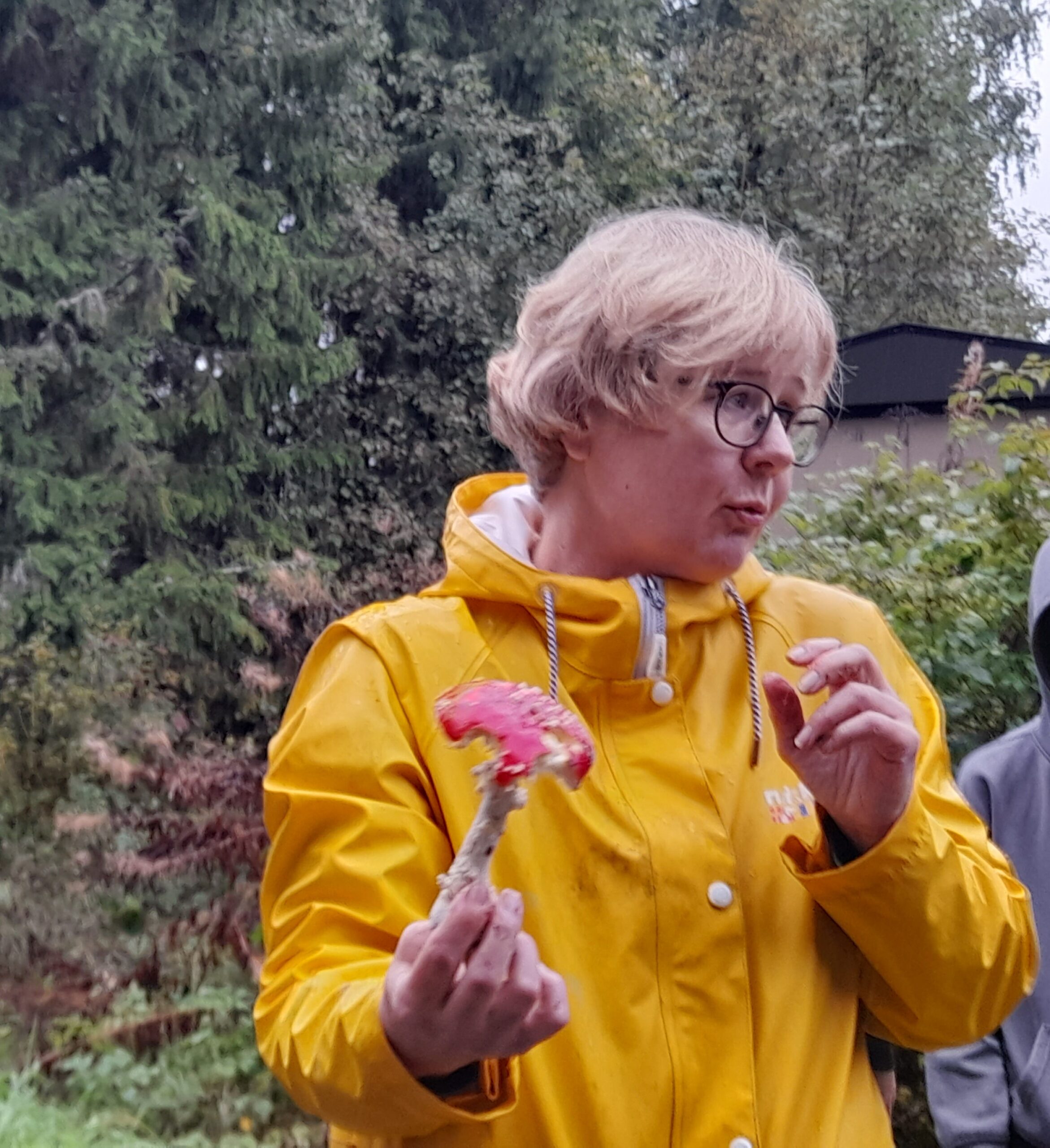
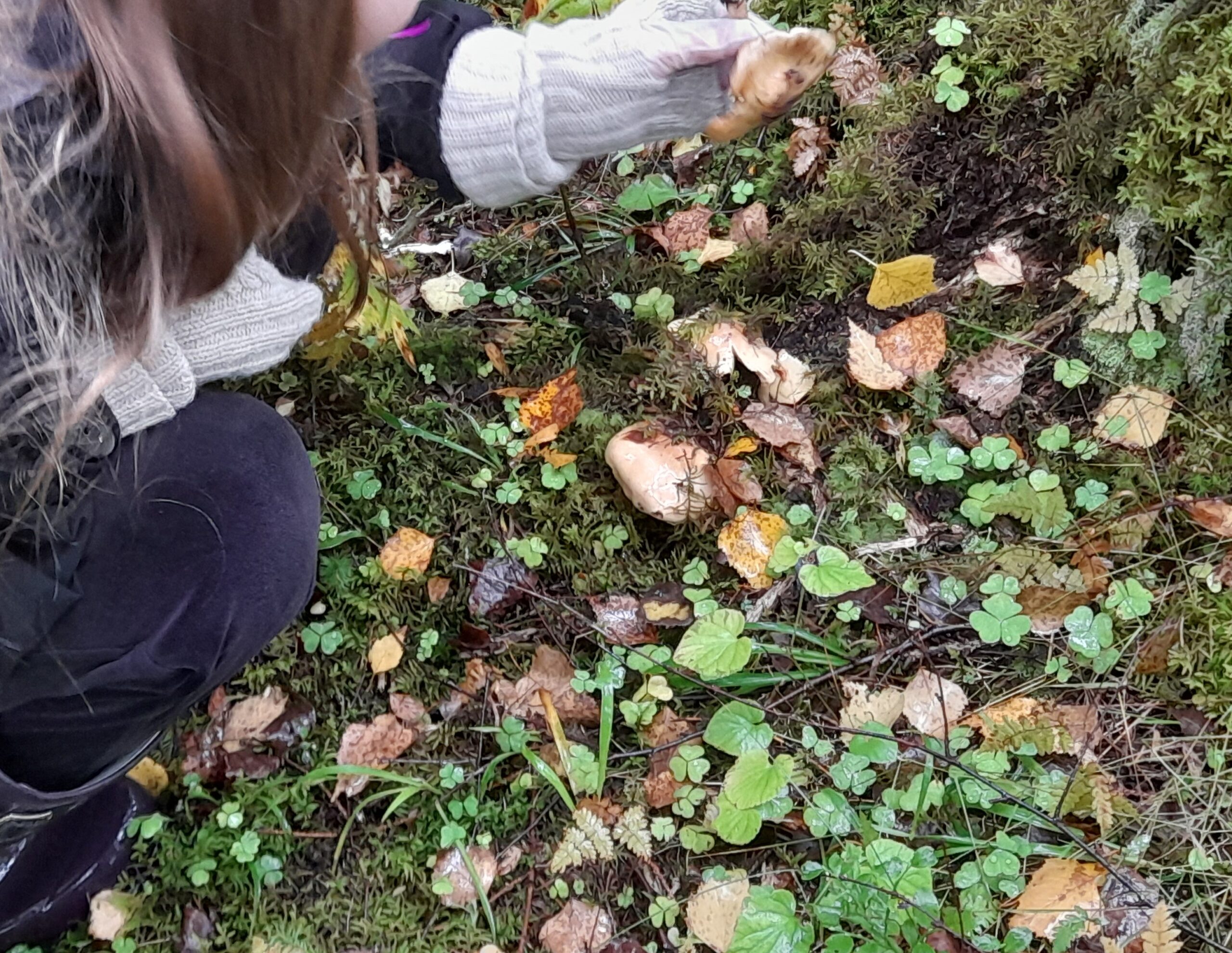
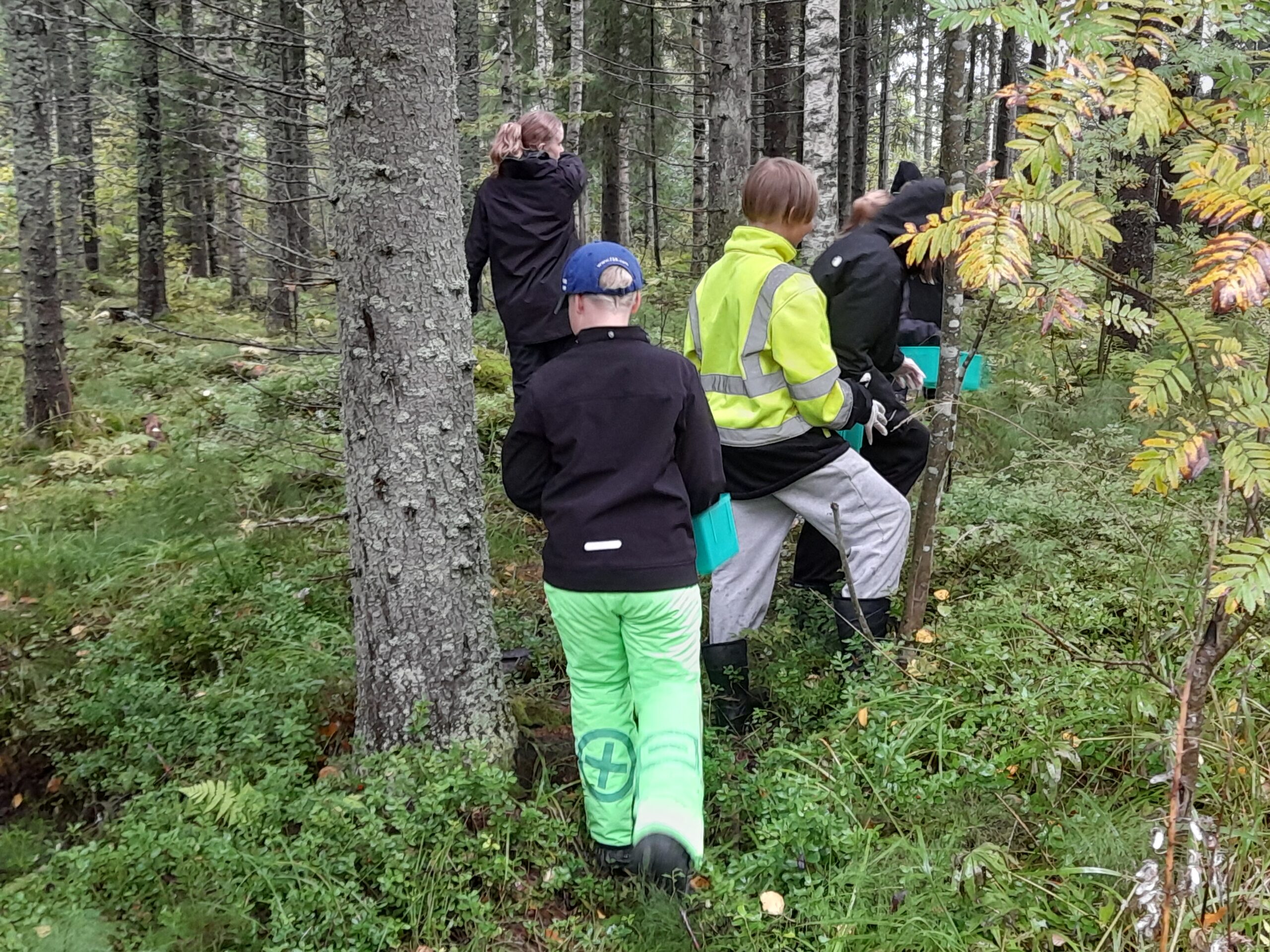
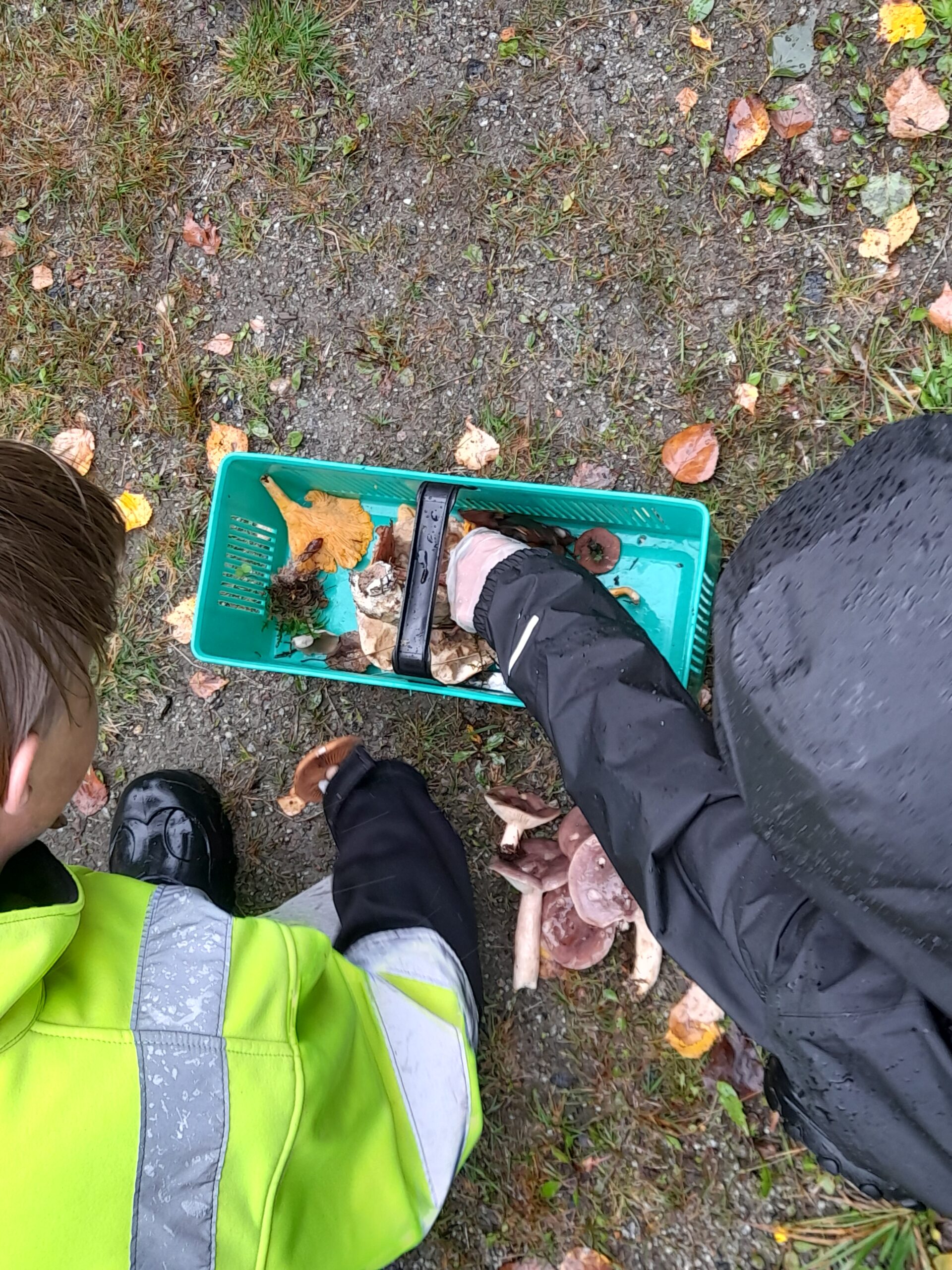
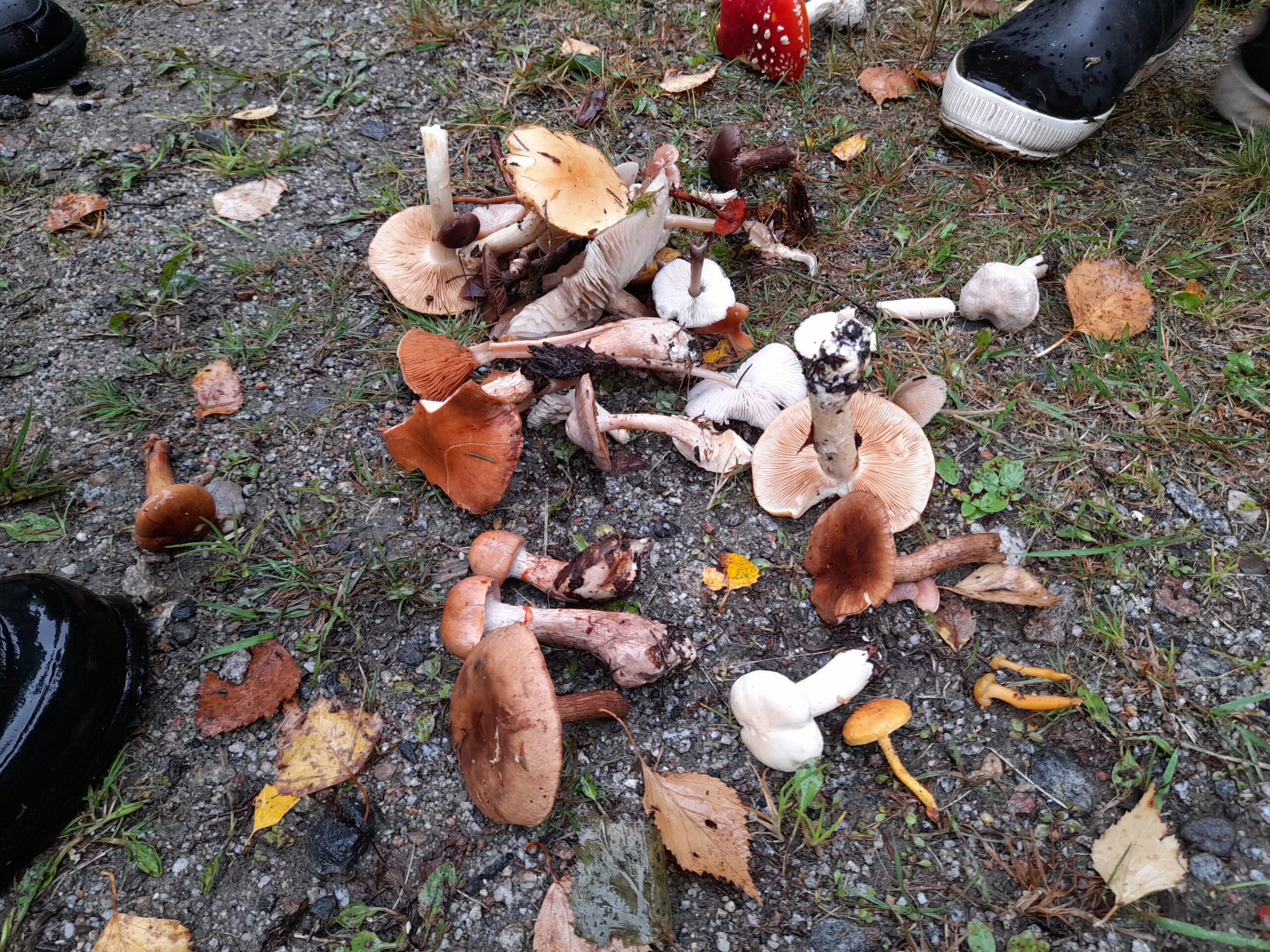
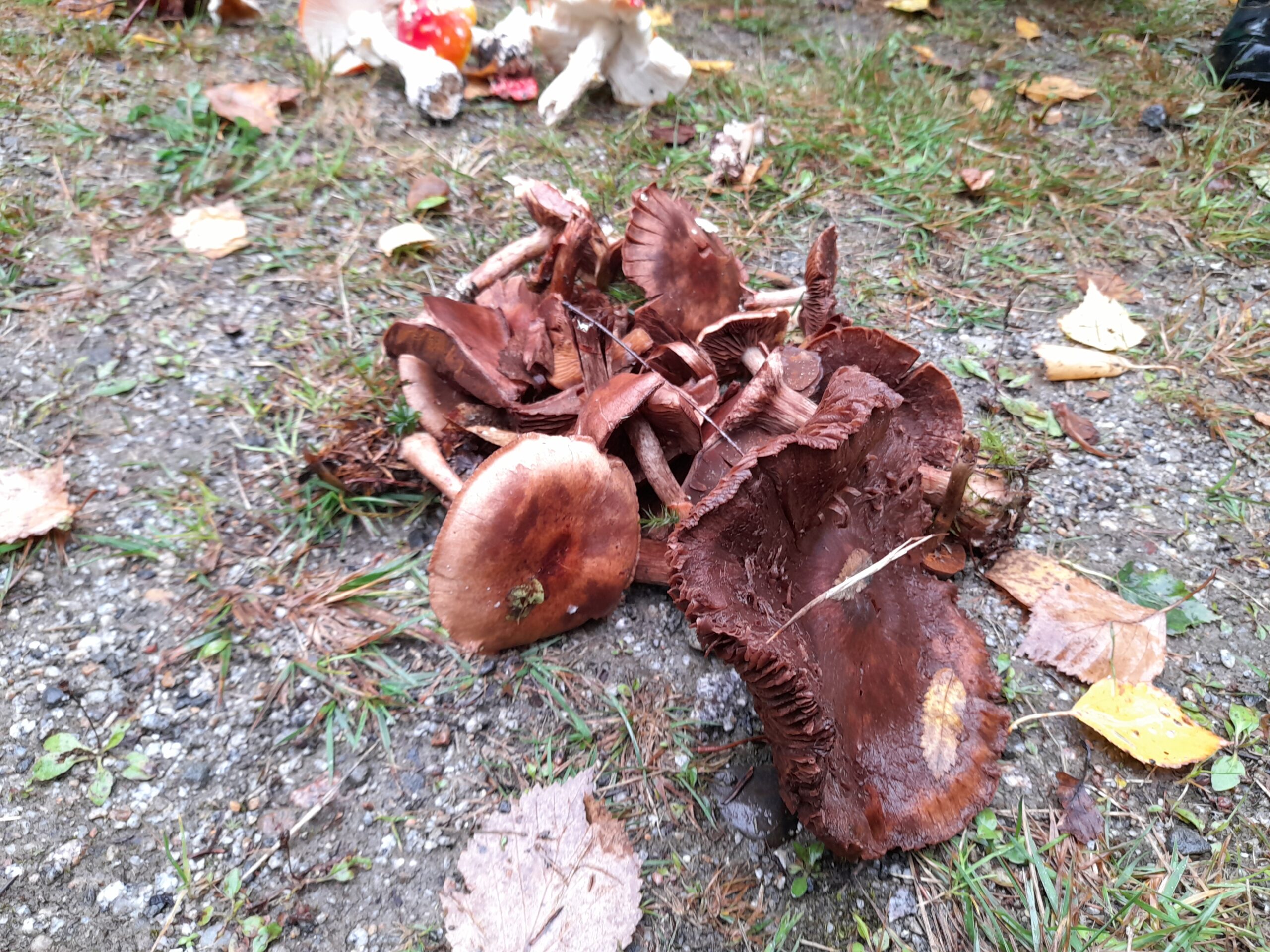
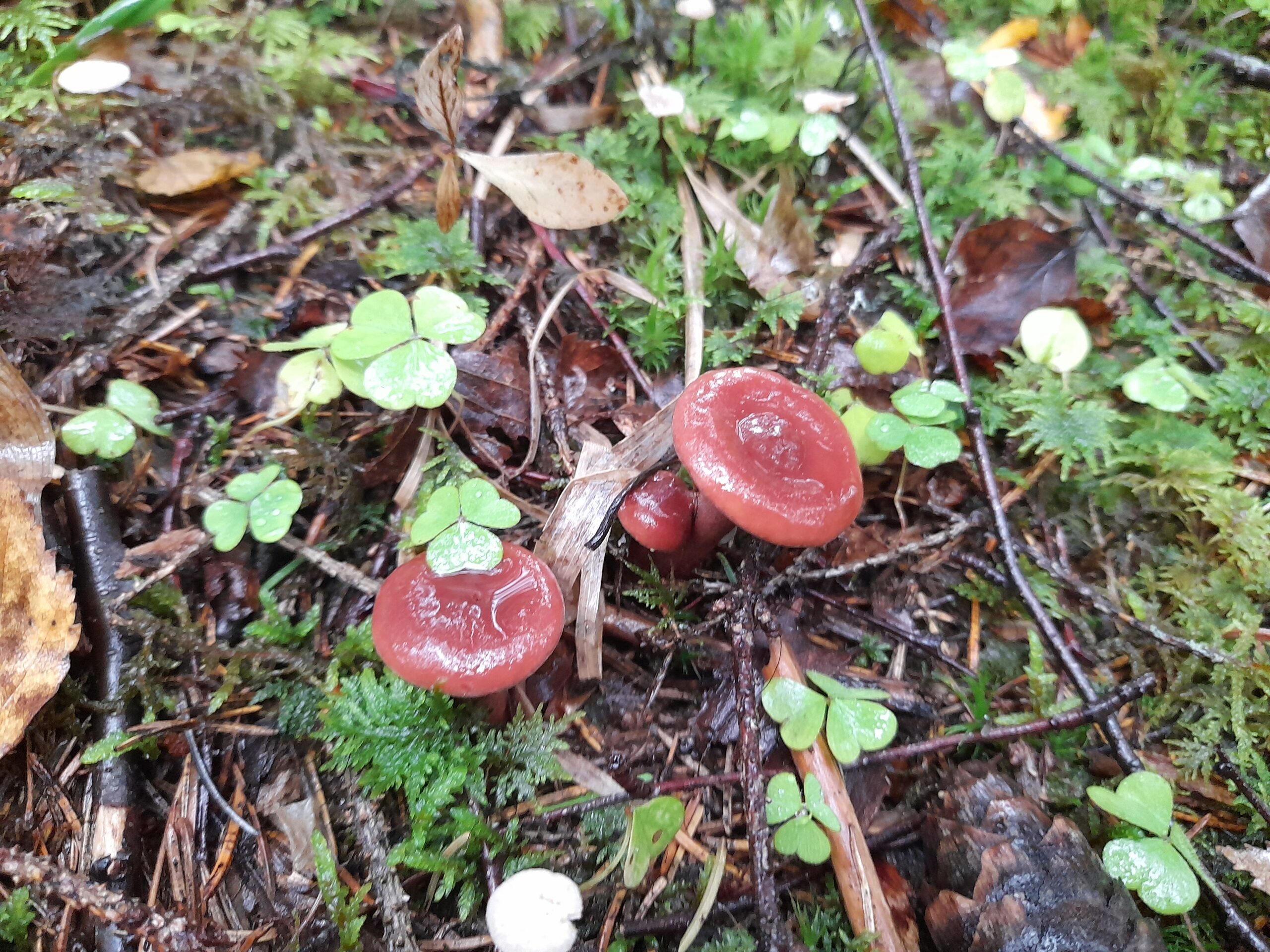
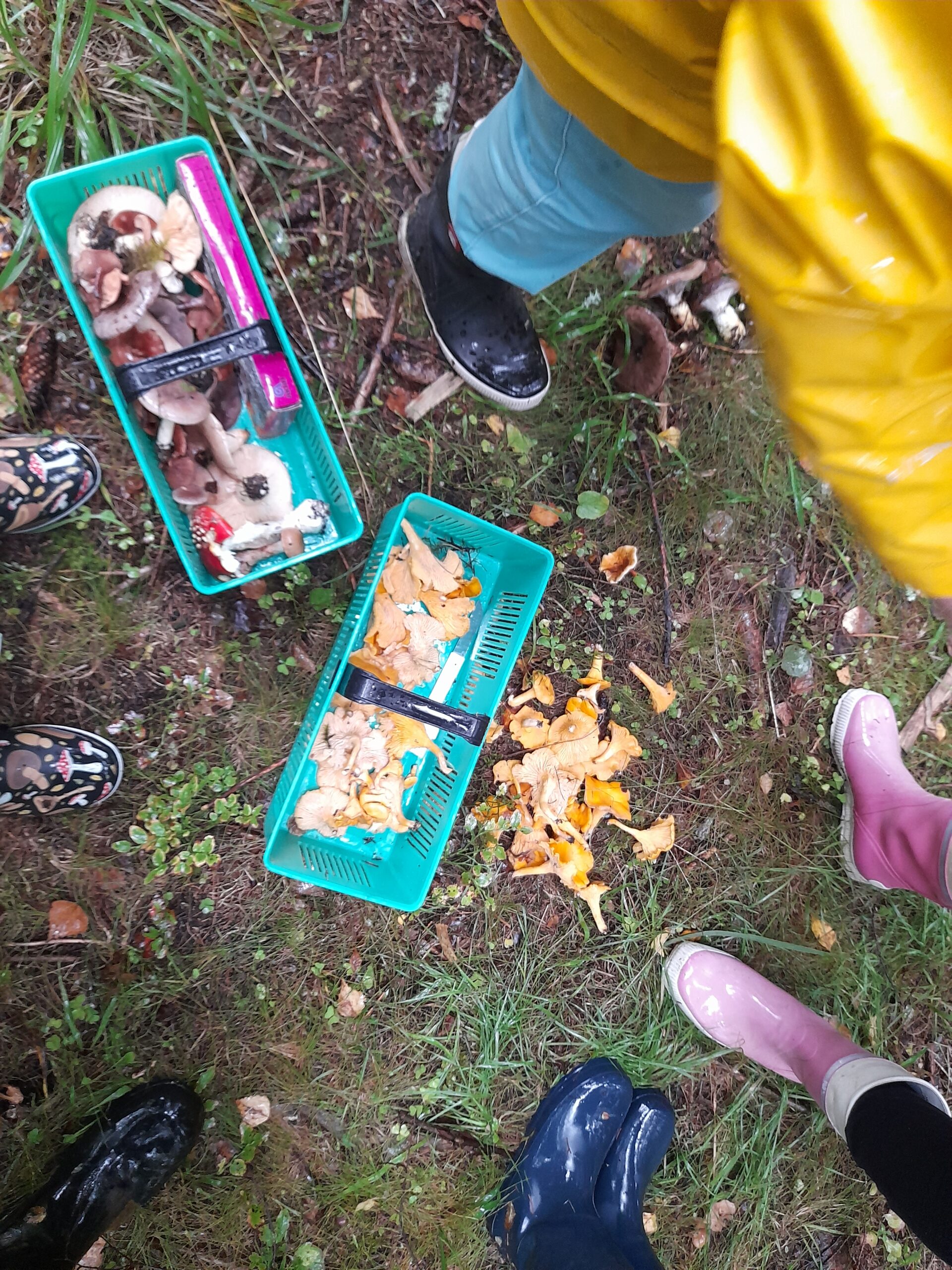
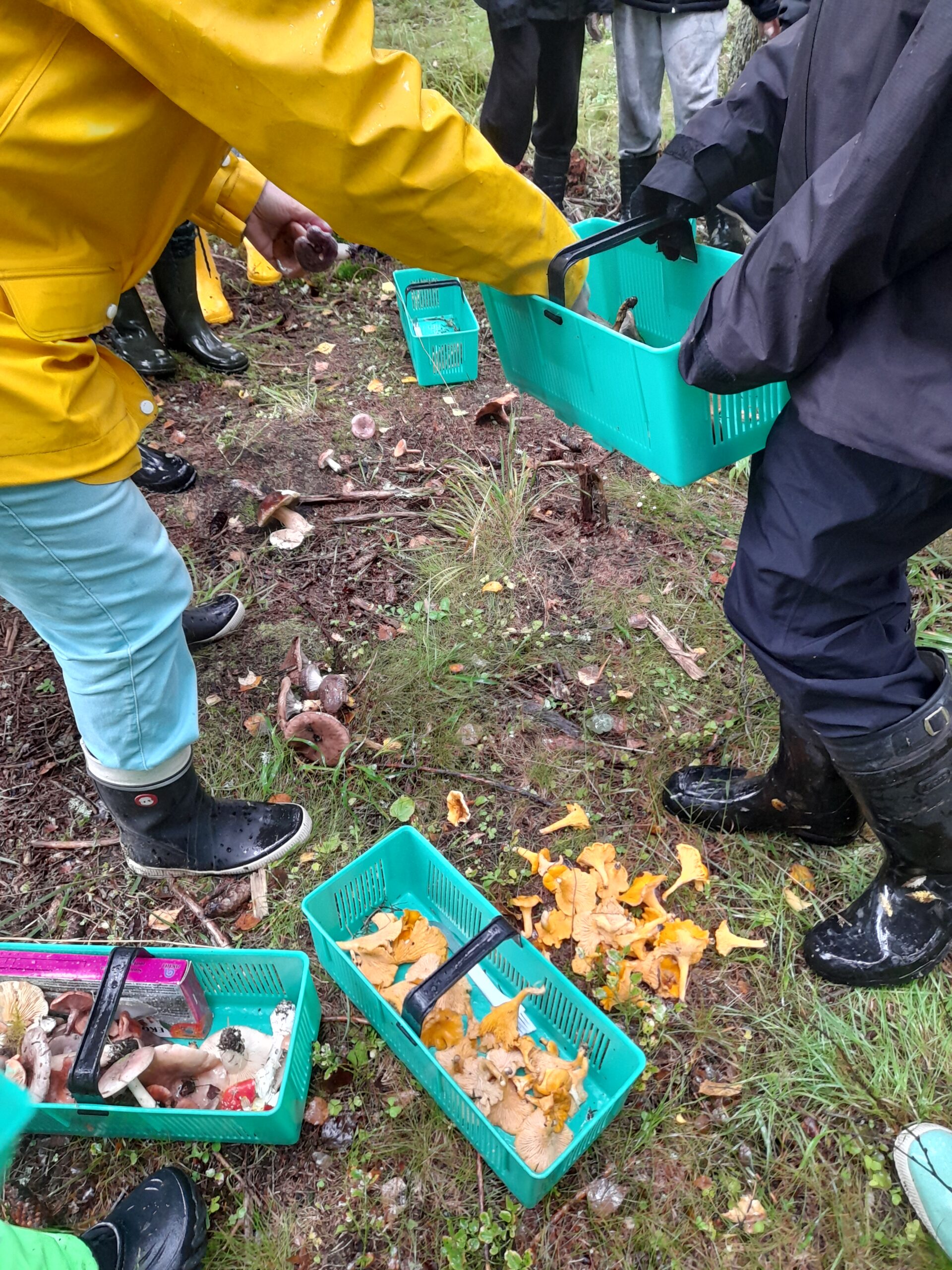
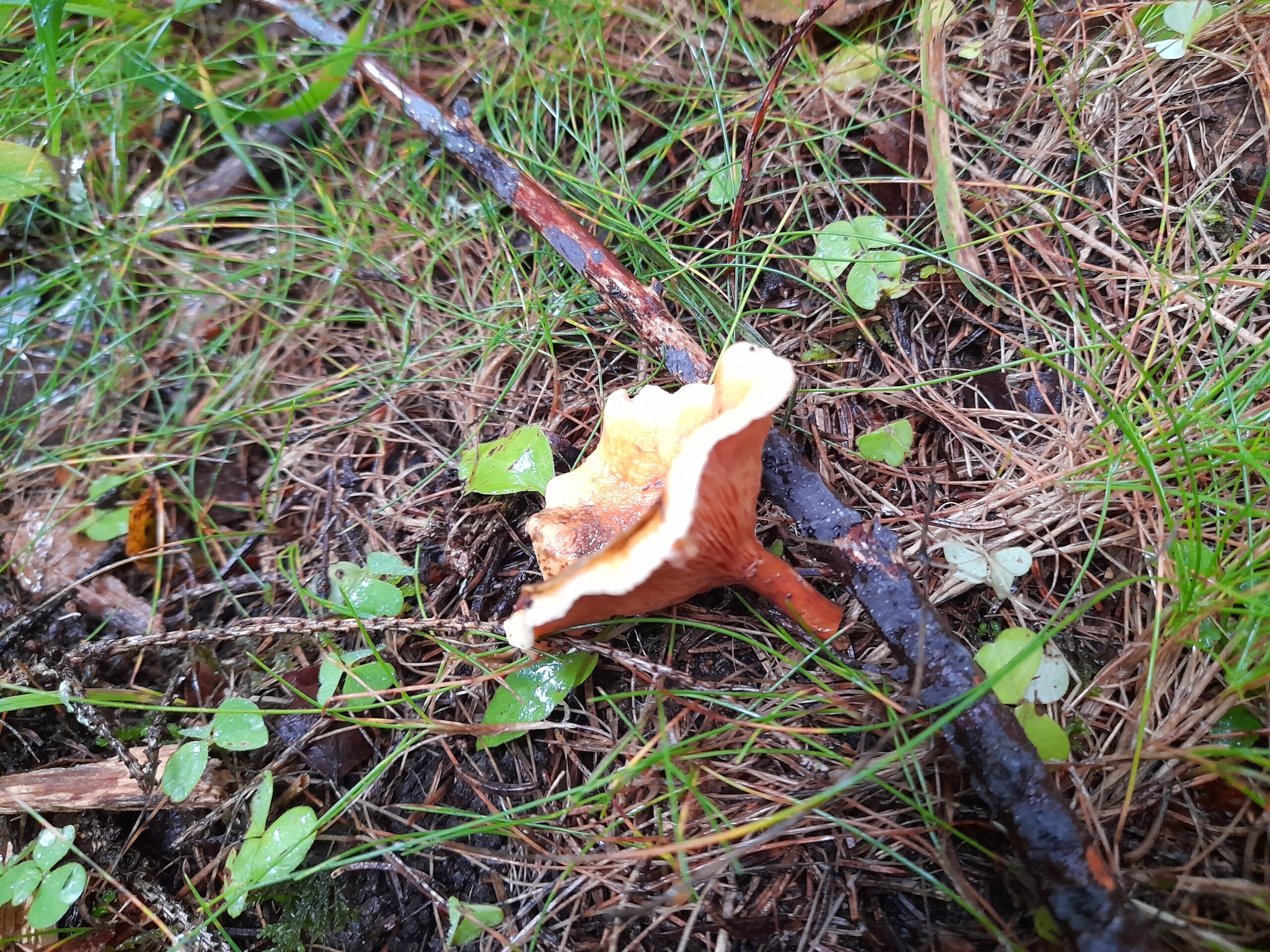
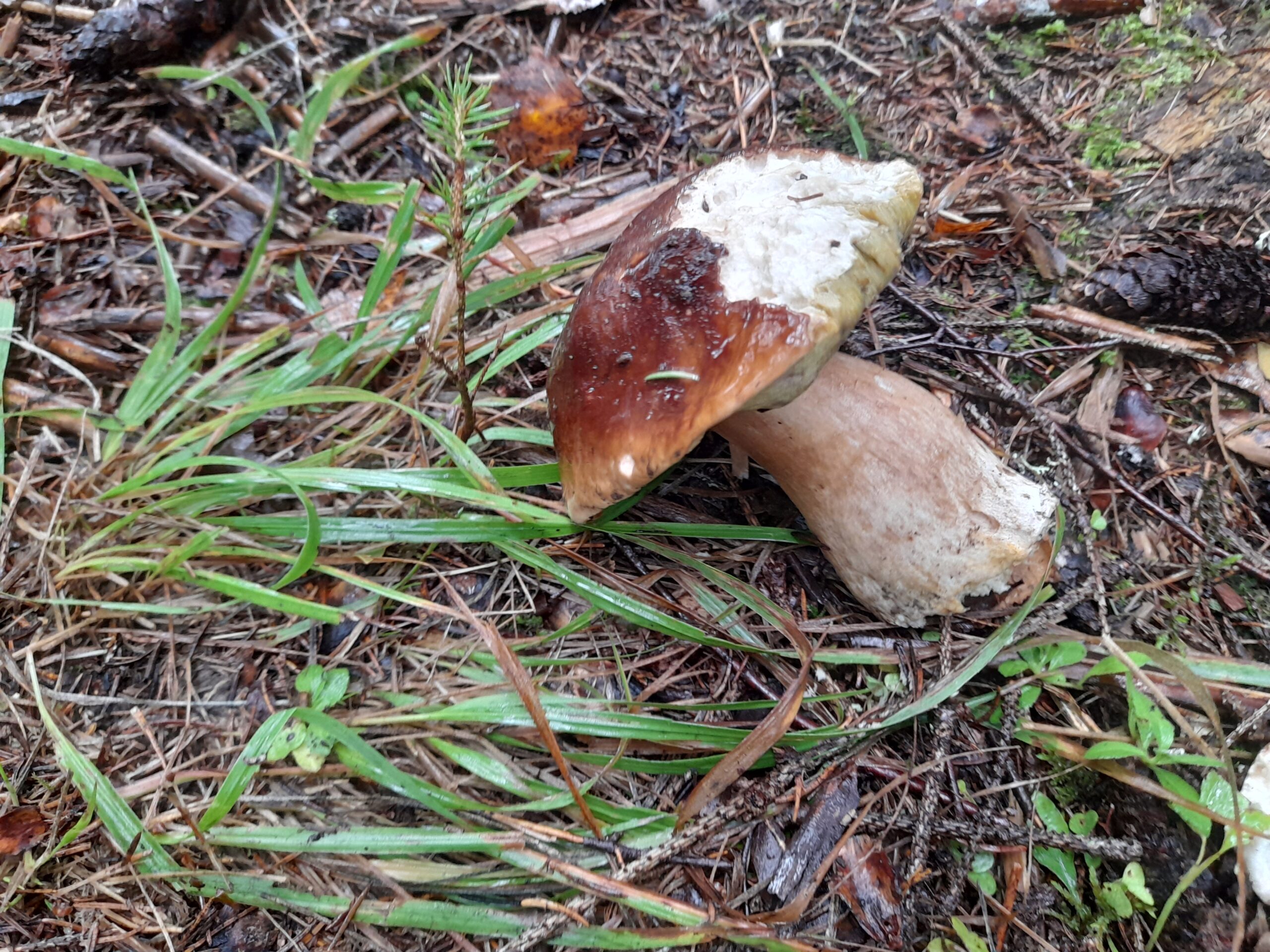
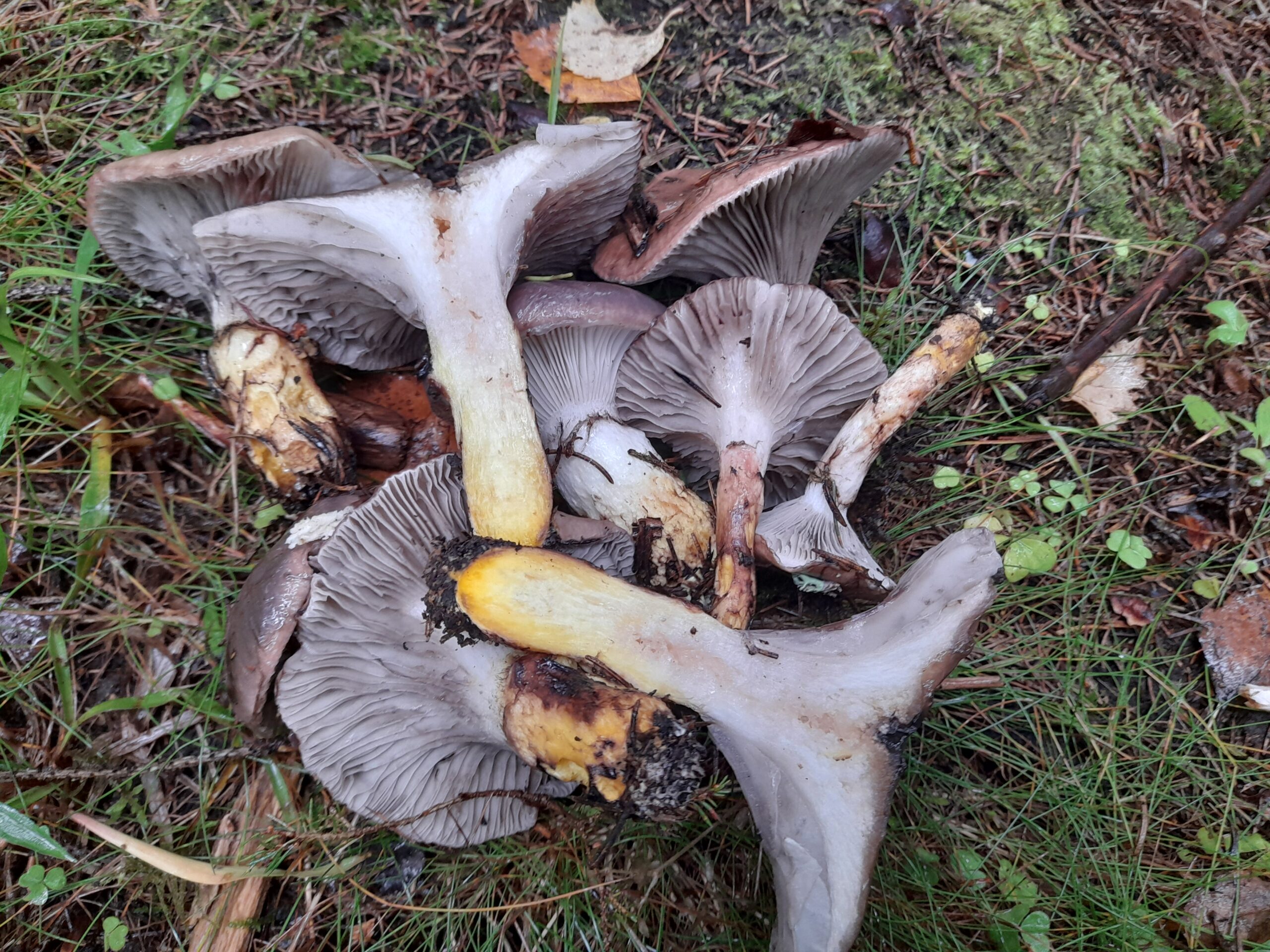
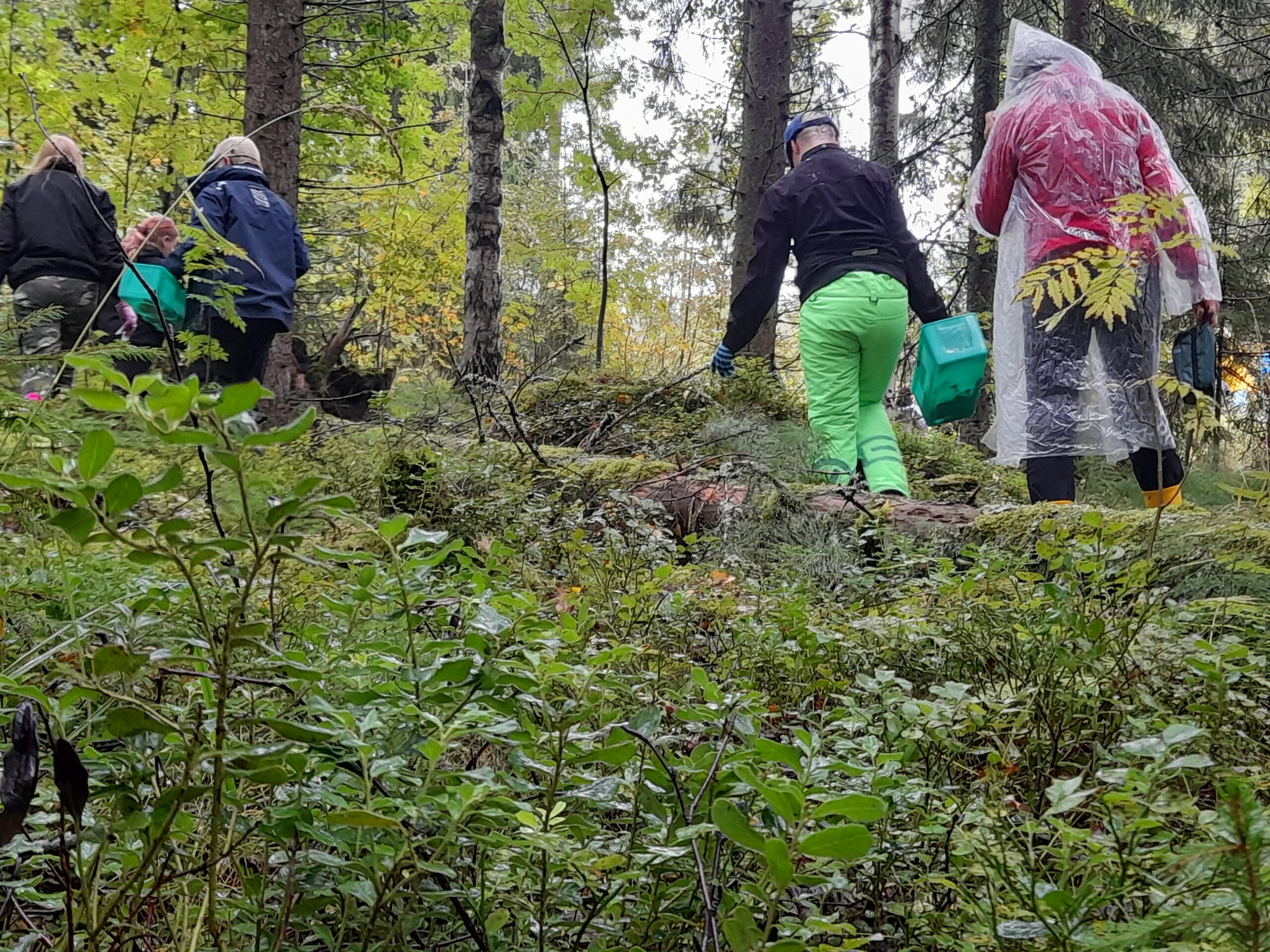
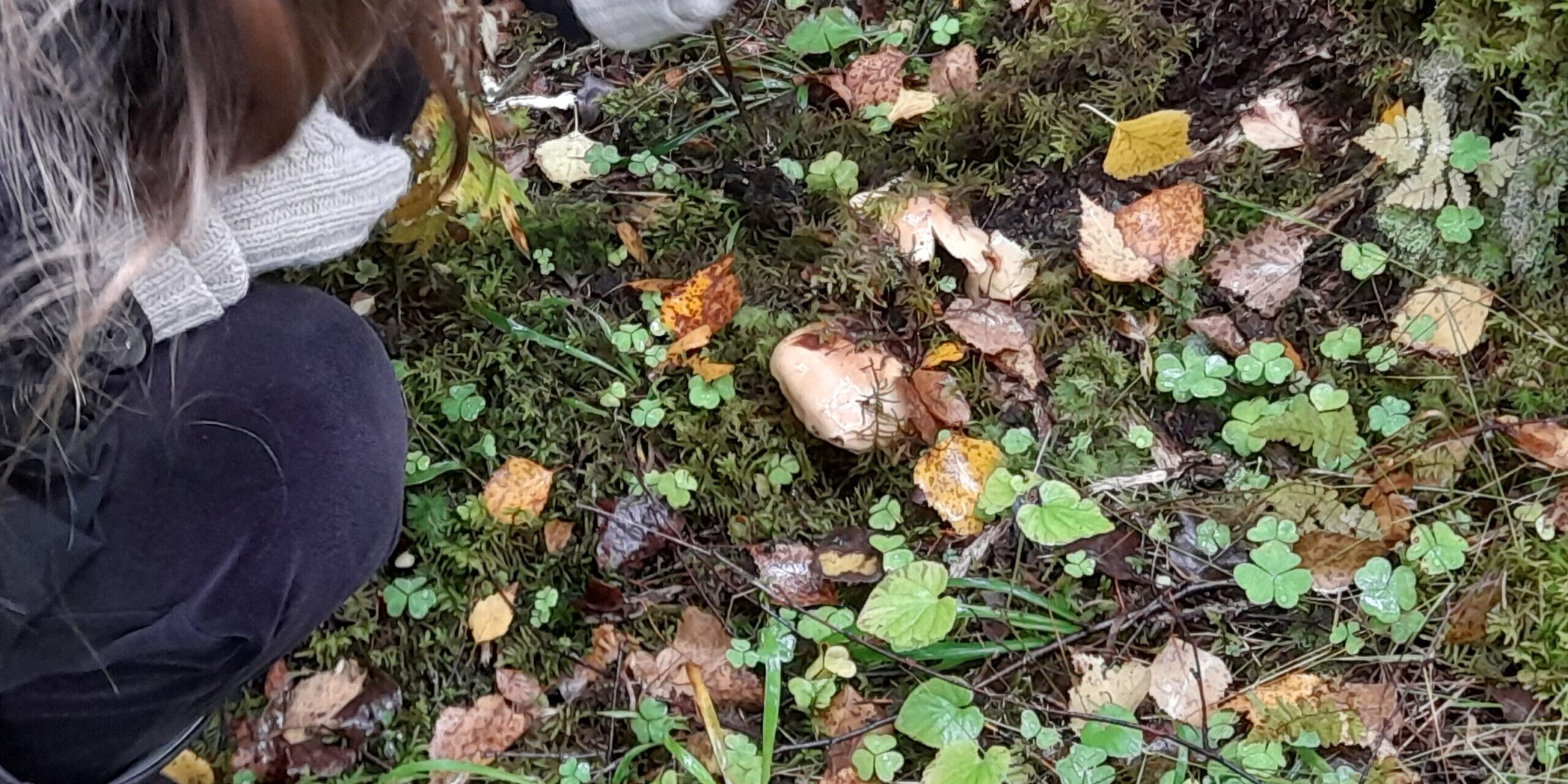
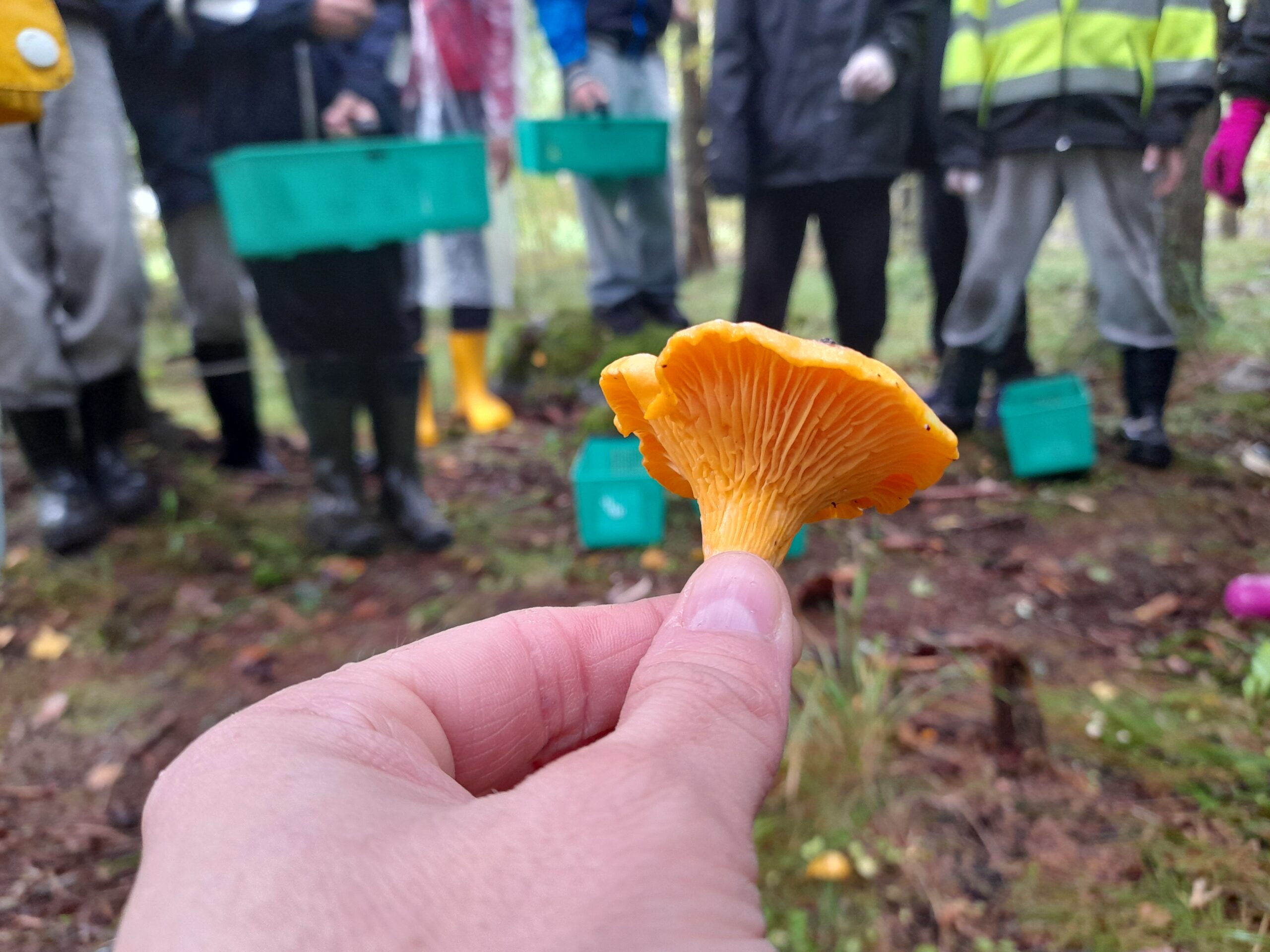
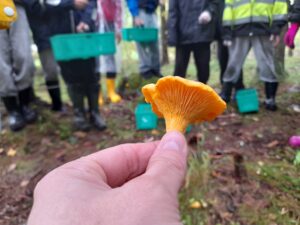 The Wednesday morning of the sixth-graders at Otto Kotilainen School in Heinävesi began with a dive into the fascinating world of mushrooms. In the nearby forest, refreshed by the rain, they kicked off their mushroom-themed learning project. Their first task was to learn to identify different mushroom species and distinguish the safe edible mushrooms from the others.
The students were guided in mushroom identification by Maarit Sallinen from the North Karelian The Martat Association. First, the students were given 5 minutes to pick any mushrooms. Then, the mushrooms were identified to determine which ones were edible. After that, they were given another 5 minutes to pick only edible mushrooms based on the identification. Despite the light rain, it was a joy to see the students’ enthusiasm for collecting mushrooms — and especially the excitement of discovering them.
The learning project will continue with further exploration of the mushroom world, including examining and making spore prints and observing spores and mycelium under a microscope. The aim is to deepen the students’ understanding of mushrooms, their role in ecosystems, and their potential uses, for example as a source of local food.
1 Oct: Life beneath the soil
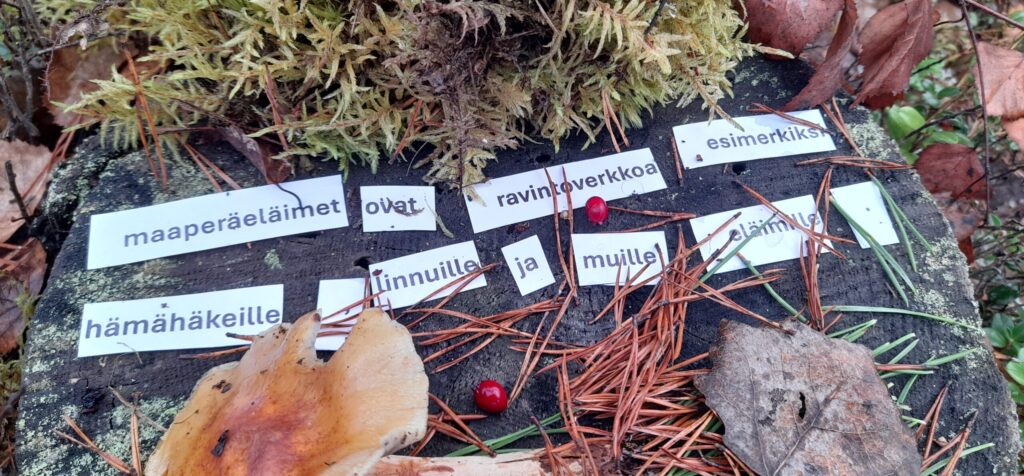
On a fresh and misty morning, the 6th graders from Kylmäoja School in Kontiolahti headed to the nearby forest for an Eco2Adapt workshop called “What Lives Beneath My Feet?” We wanted to hold the workshop in a real outdoor environment and help the students become more aware of this often “invisible” topic.
The workshop was an introduction to the class project on soil and soil animals. We wanted to find an engaging way to explore the topic. Digging into the soil and trying to see the life in it is not always easy. Outdoor learning and environmental education methods gave us a helping hand. They brought observation, movement, play, discovery and cooperation into the learning event.
We explored the following topics outdoors through hands-on activities:
1. What are soil and potting soil?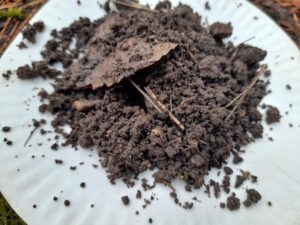
-
- Potting soil in a container. Look at it carefully. What can you see in it?
2. Is soil alive?
- Seven statements about soil. The students moved forwards or backwards depending on whether they agreed or disagreed with each statement.
3. Who lives beneath our feet? 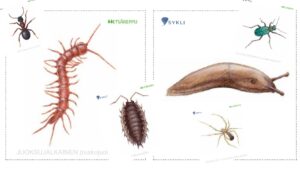
- A soil animal cocktail party: students used picture cards (Sykli) to discover soil animals might live beneath our feet. They used their first name, while their surname was the name of the animal. They introduced their animal to the others, just like at a cocktail party. The cards were changed after each introduction.
4. What is a soil animal?
- Who is a soil animal and who is not? The uninvited guest at the cocktail party helped us explore the definition.
5. What do soil animals do?
- What would be served at a soil animal cocktail party? What do soil animals eat – and what do they not eat? We discussed their diets and roles.
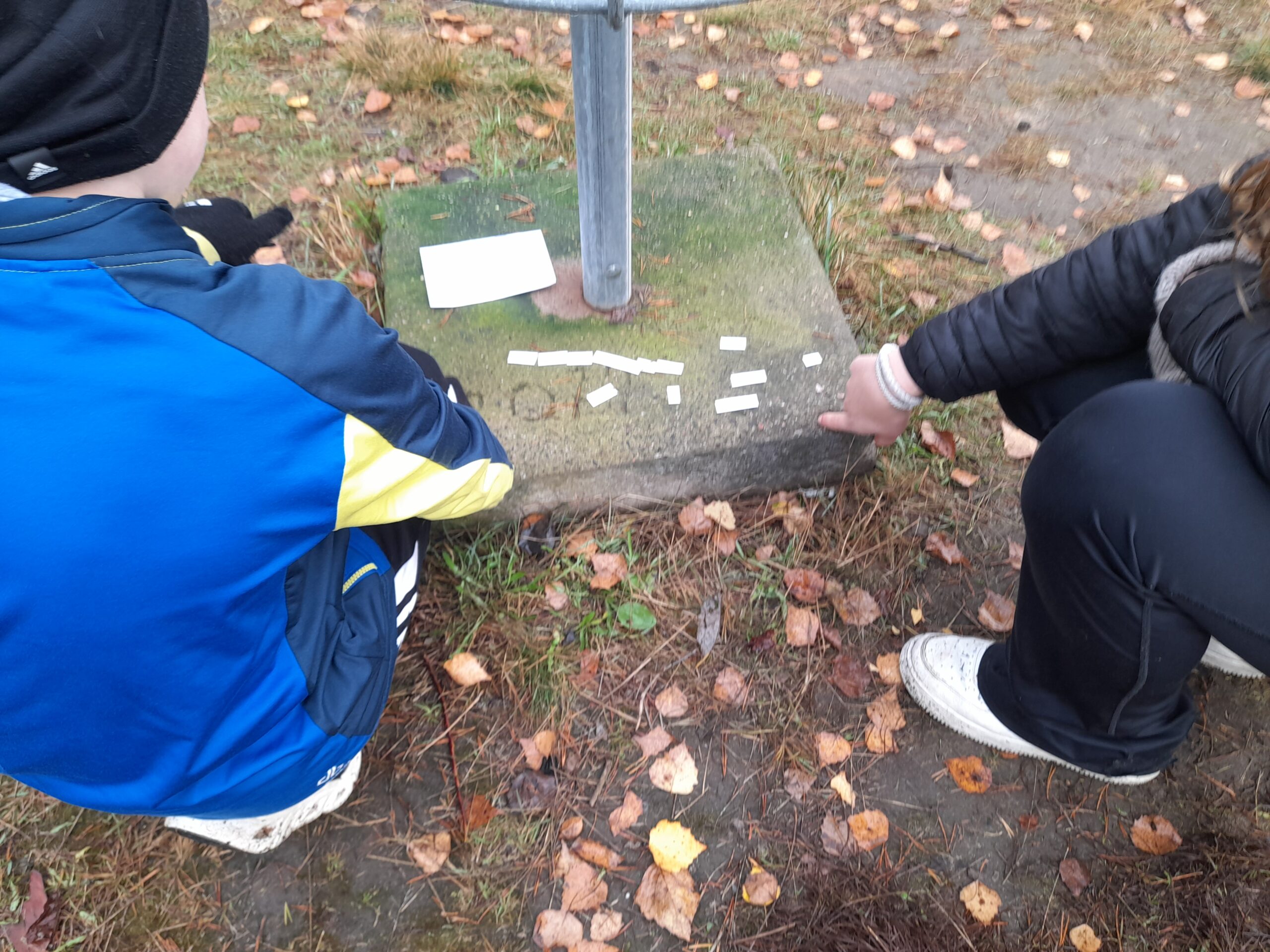
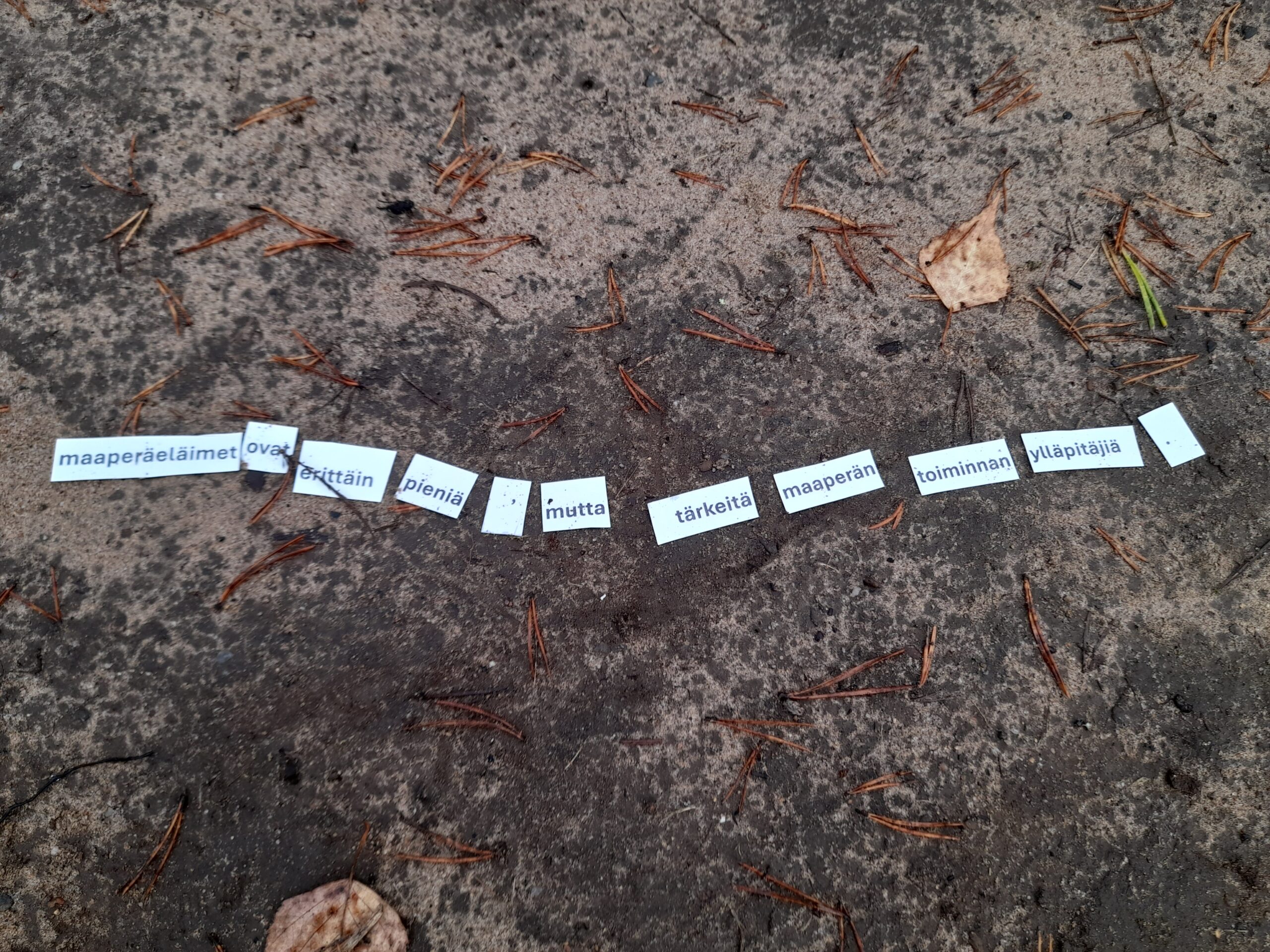
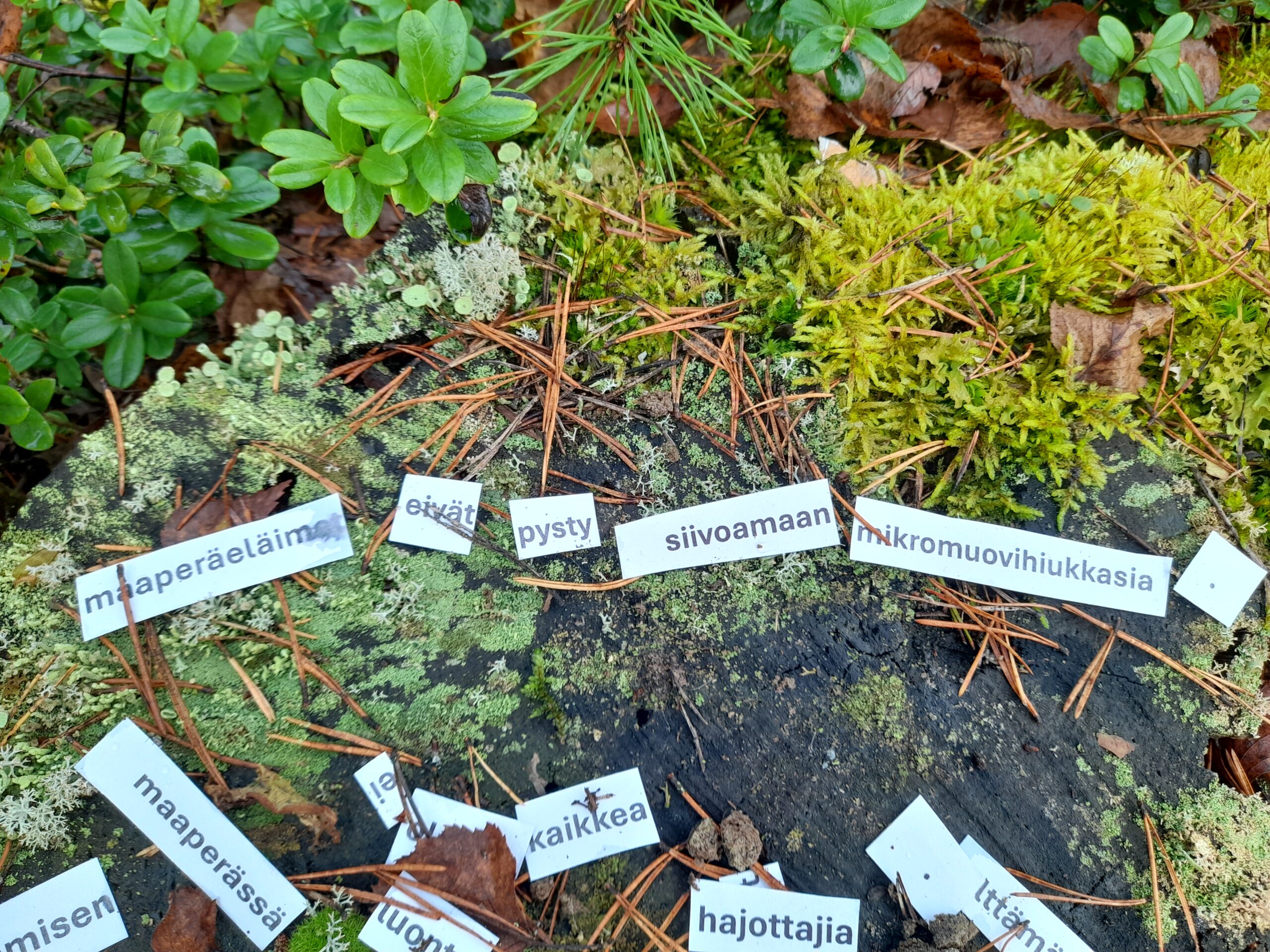
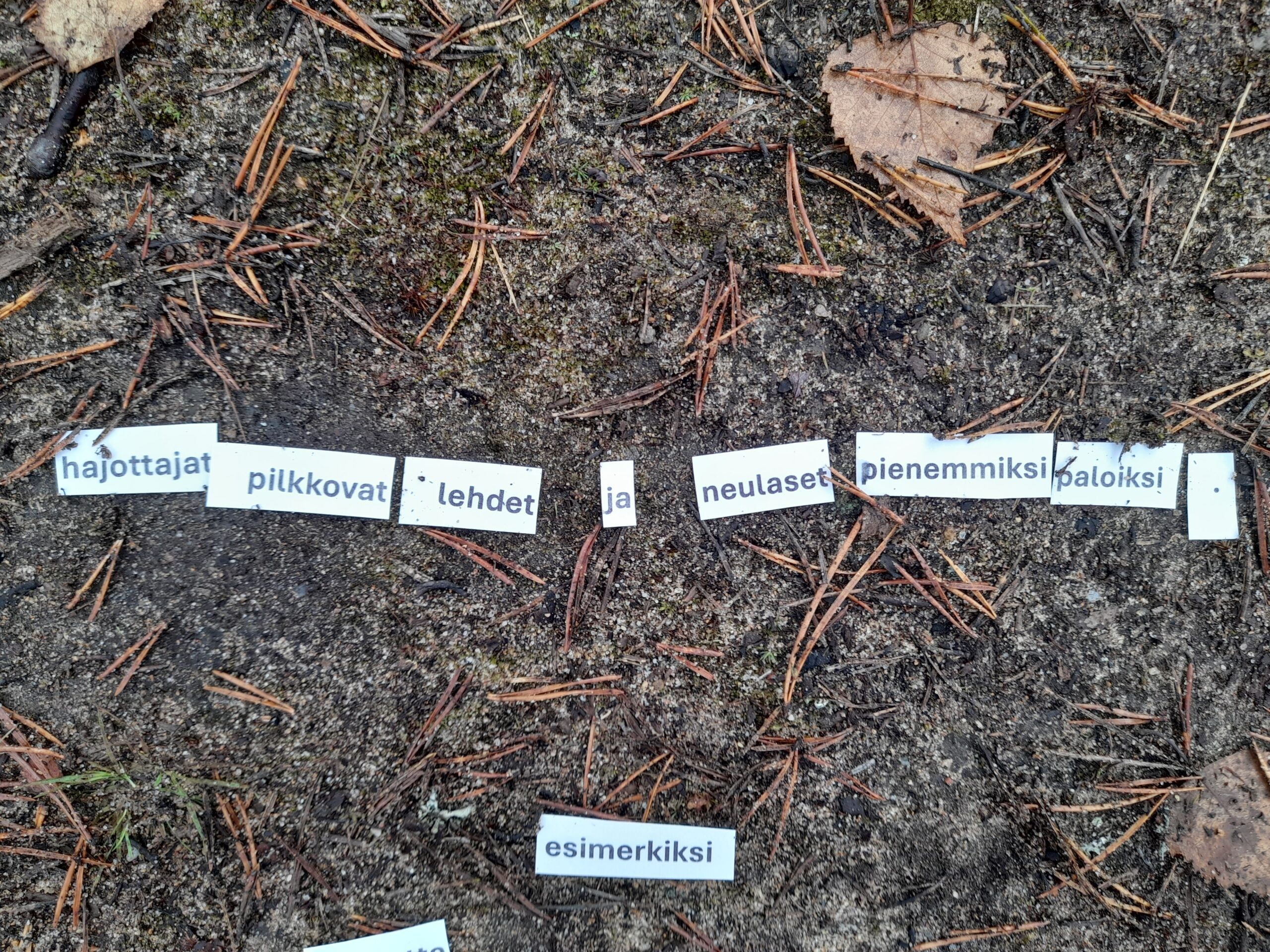
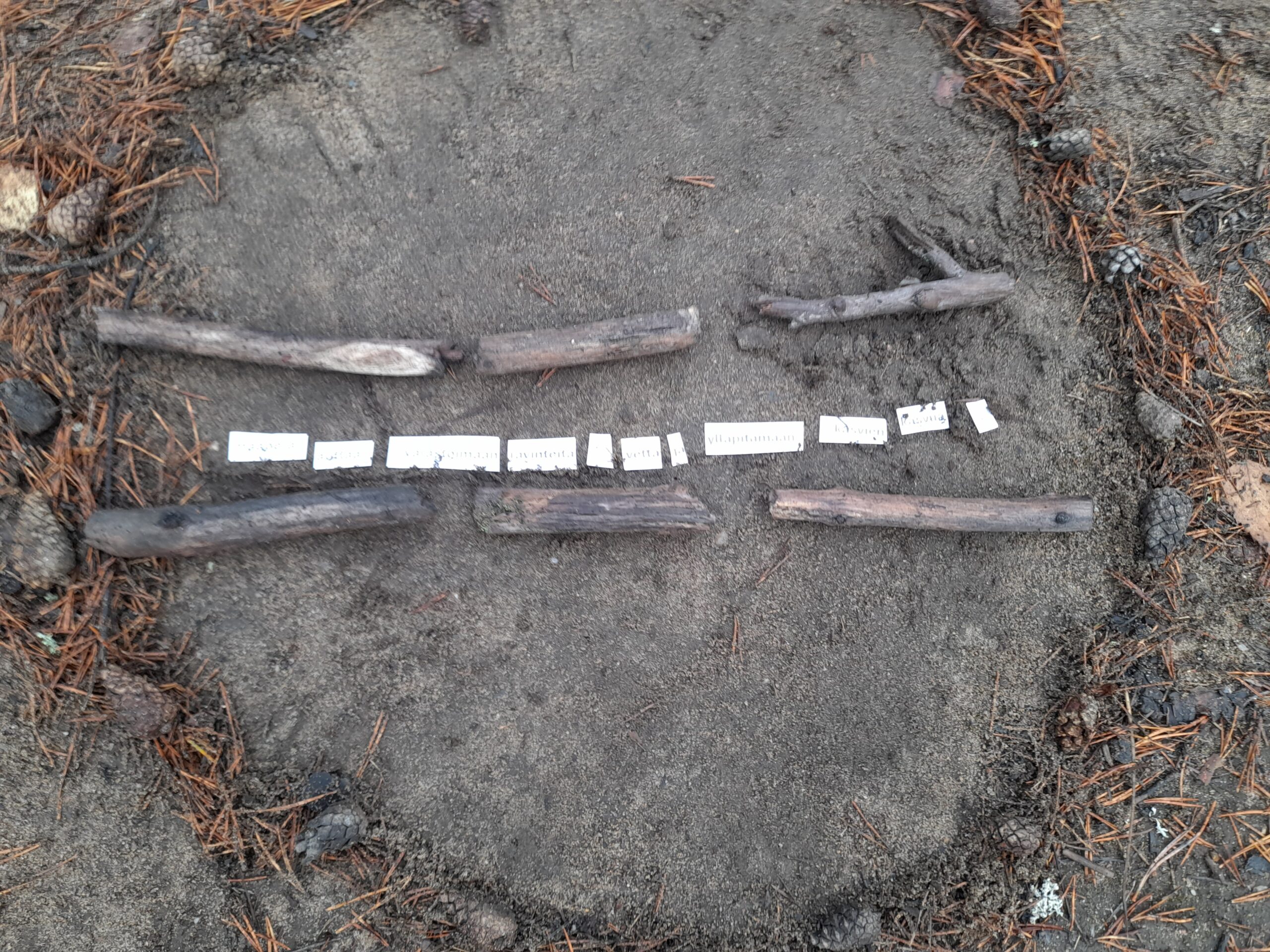
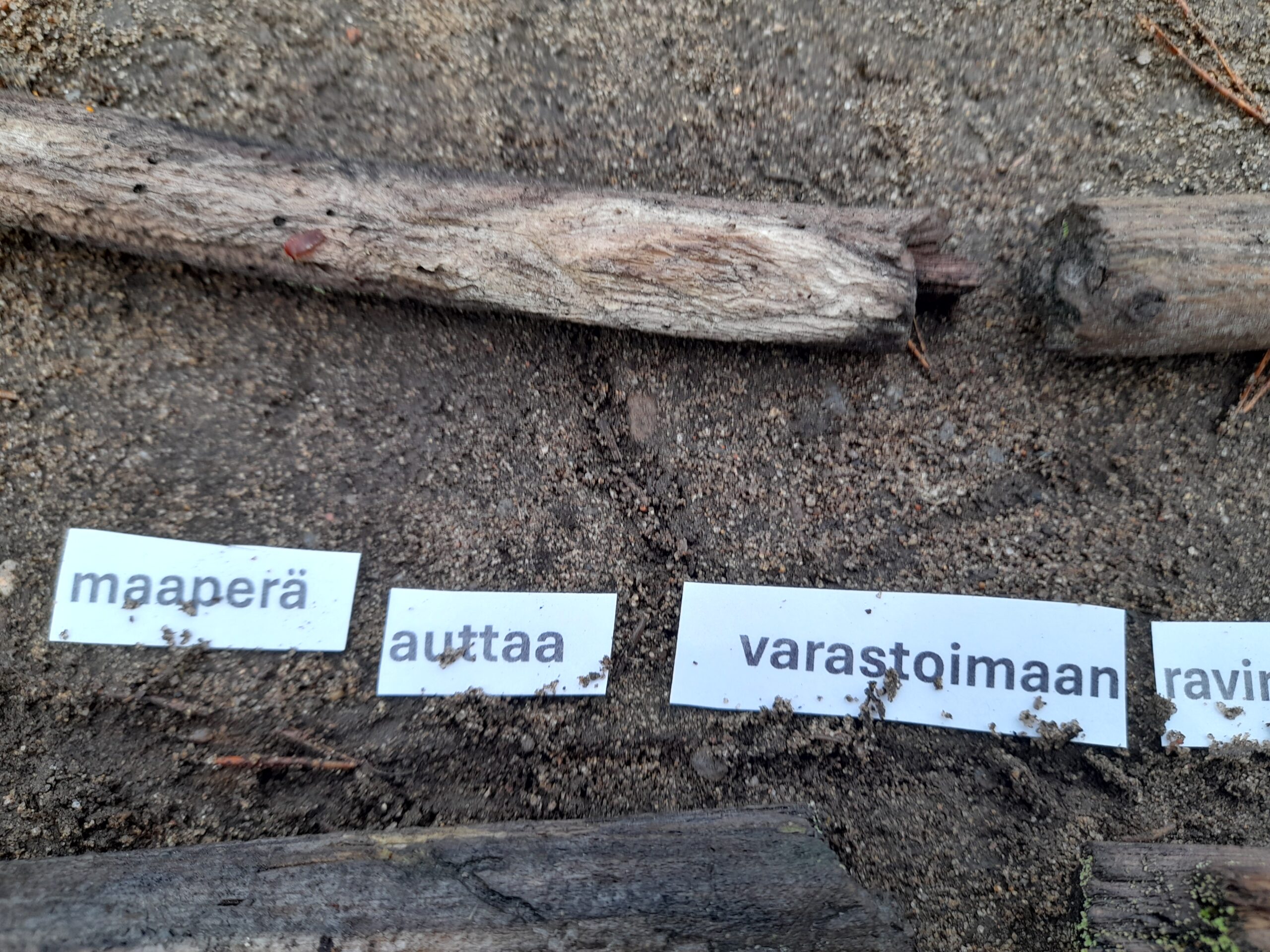
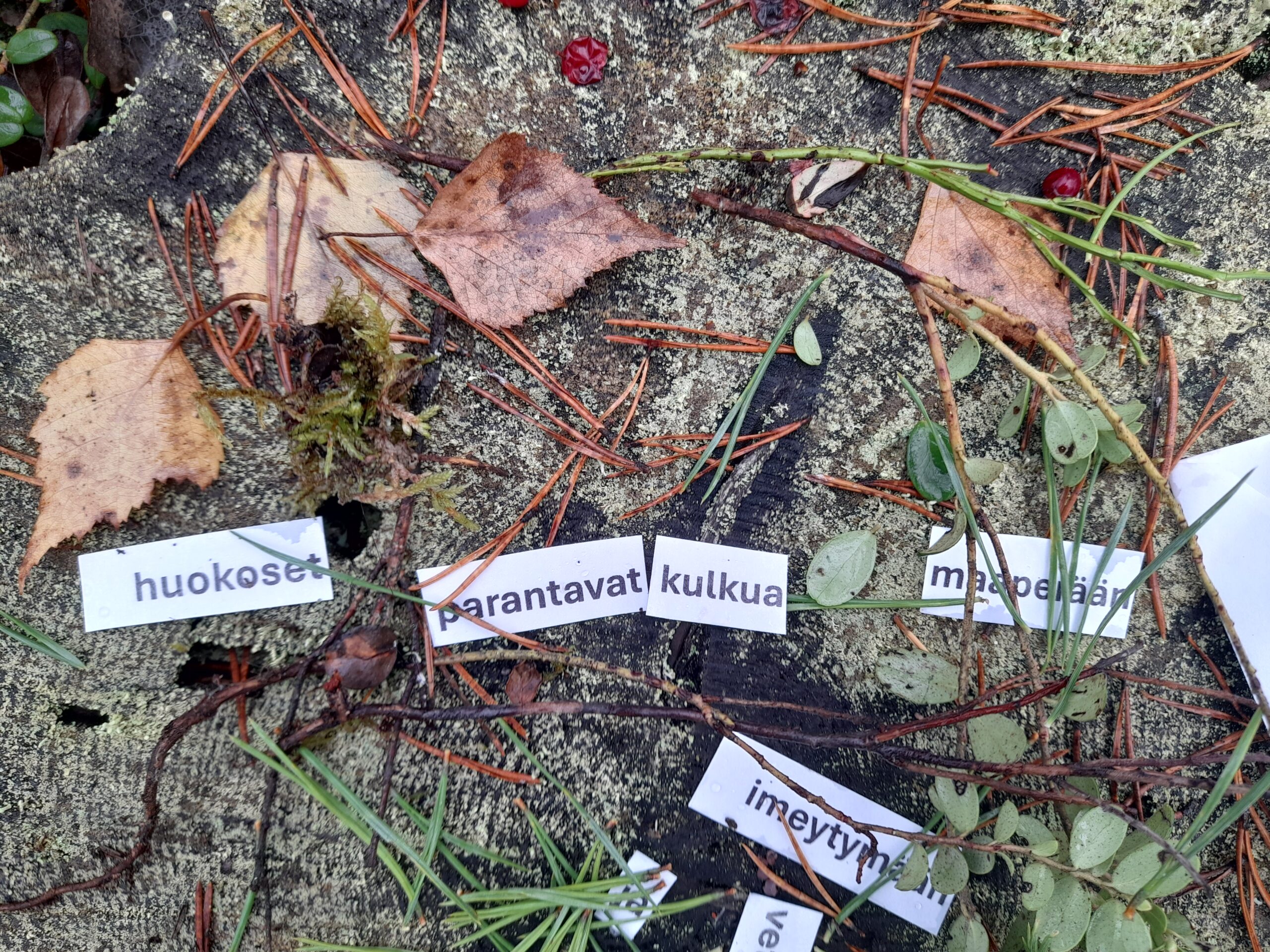
- Find the role of a soil animal or solve mixed-up words to discover what soil animals do. The students worked in small groups outdoors and then shared their findings together.
6. What is soil and what are its layers?
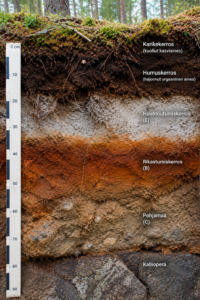
- We explored an illustration showing the different soil layers. (Photo is AI generated and demonstrate the typical finnish soil type ‘podzol’)
We also had two more activities planned: “Clues from a Living Soil Investigator” and a closing relaxation exercise, “A Dive Underground.” Unfortunately, we ran out of time and could not do them this time.
Follow our blog to see what happens next! The class will continue exploring the topic and will share posts about their upcoming activities.


 The Wednesday morning of the sixth-graders at Otto Kotilainen School in Heinävesi began with a dive into the fascinating world of mushrooms. In the nearby forest, refreshed by the rain, they kicked off their mushroom-themed learning project. Their first task was to learn to identify different mushroom species and distinguish the safe edible mushrooms from the others.